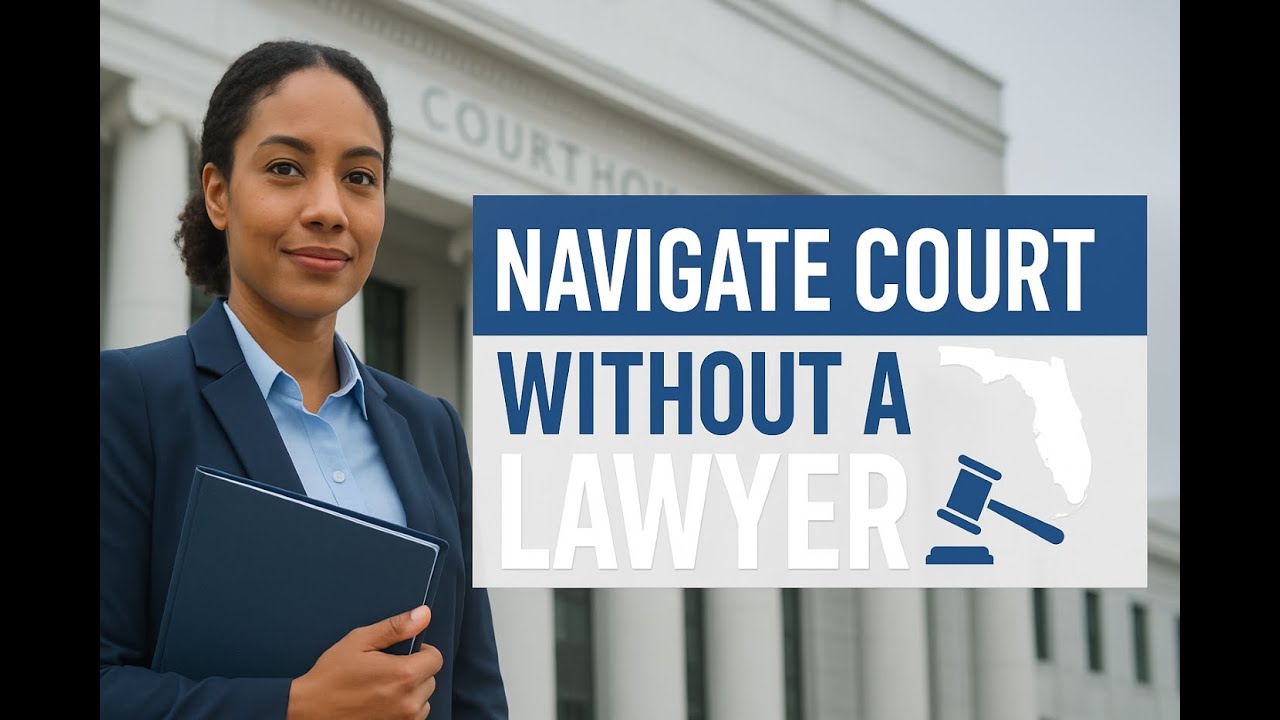

Coping strategies for divorce court appearances


Coping Strategies for Divorce Court Appearances

Divorce court appearances can be emotionally challenging and legally complex. It’s essential to have effective coping strategies in place to navigate through this difficult process. As an immigration attorney specializing in divorce cases, I have witnessed the importance of being prepared both legally and emotionally. Here are some coping strategies that can help you during divorce court appearances:

1. Stay Calm and Focused

During court appearances, it’s natural to feel overwhelmed and stressed. However, staying calm and focused is crucial. Keep your emotions in check and concentrate on the legal proceedings. Remember, rational decision-making is key in these situations.

2. Communicate Effectively with Your Attorney

Your attorney is your advocate in the courtroom. Maintain open and clear communication with them. Provide all necessary information and listen to their advice carefully. A strong attorney-client relationship can significantly impact the outcome of your case.

3. Prepare Thoroughly in Advance

Prior to any court appearance, make sure you are well-prepared. Review all relevant documents, gather necessary evidence, and anticipate potential questions or challenges. Being prepared can boost your confidence and overall performance in court.

4. Seek Emotional Support

Divorce proceedings can take a toll on your emotional well-being. Don’t hesitate to seek support from friends, family, or a therapist. Venting out emotions and seeking guidance can help you cope with the stress of court appearances and the overall divorce process.

5. Focus on the Future

While court appearances may seem daunting, remember that they are just a part of the divorce process. Stay focused on the future and the positive changes that lie ahead. Visualize your goals post-divorce, and let that motivate you through the legal proceedings.


For more legal news and updates, check out our blog with legal news. Our team is dedicated to providing valuable insights on immigration and divorce law to help you navigate through legal challenges with confidence.

The Role of Mediation in High-Conflict Divorces


The Role of Mediation in High-Conflict Divorces

Navigating the legal landscape of divorce can often feel like traversing a minefield. With emotions running high and tensions at their peak, high-conflict divorces pose unique challenges that require delicate handling. In such cases, mediation can prove to be a game-changer. Let’s delve into why mediation plays a crucial role in resolving high-conflict divorces.

Mediation offers a structured and collaborative approach to resolving disputes, allowing both parties to sit down with a neutral third party to facilitate discussions and reach mutually agreeable solutions. In high-conflict divorces, where communication breakdowns and animosity are rampant, mediation serves as a constructive way to de-escalate tensions and focus on finding common ground.

For more legal insights, visit Law Advisor Daily.


In the realm of divorce proceedings, where tensions can run high and emotions cloud judgment, mediation offers a beacon of hope. By fostering open communication, encouraging compromise, and preserving relationships where possible, mediation stands as a vital tool in the arsenal of divorce attorneys. As we witness the transformative power of mediation in high-conflict divorces, it becomes evident that a collaborative approach can pave the way for amicable resolutions, even in the most challenging of circumstances.

Interested in learning more about immigration law? Explore our in-depth resources on this crucial topic and stay informed on the latest updates within the immigration landscape.

Child-related issues in uncontested Florida divorce: timesharing and support

“`html

Child-related issues in uncontested Florida divorce: timesharing and support

In an uncontested divorce in Florida, child-related matters such as timesharing and support are crucial aspects that need careful consideration. Understanding how these issues are handled can help streamline the divorce process and ensure the well-being of the children involved.

Timesharing in Florida Uncontested Divorces

Timesharing, also known as child custody, outlines how parents will share time with their children after the divorce. In Florida, courts encourage shared responsibility for children’s upbringing, ensuring both parents play an active role in their lives.

According to statistics from the Florida Department of Health, approximately 75% of divorces with children in Florida result in shared parental responsibility agreements, highlighting the emphasis on co-parenting even after separation.

Child Support in Florida Uncontested Divorces

Child support is another critical aspect of uncontested divorces involving children in Florida. This financial assistance is designed to cover the child’s basic needs and ensure their well-being post-divorce.

On average, child support payments in Florida amount to approximately 20% of the non-custodial parent’s income, as per data from the Florida Department of Revenue. These payments play a vital role in providing for the child’s education, healthcare, and overall upbringing.

For more information on child-related issues in Florida uncontested divorces, feel free to explore our uncontested divorce Florida no court appearance services.

Uncontested Divorce in Florida


“`…

State-by-state snapshot: Florida and nearby states and divorce law changes you should watch

Featured Image

State-by-State Snapshot: Florida and Nearby States and Divorce Law Changes You Should Watch

If you are navigating the complexities of divorce in Florida or nearby states, understanding the legal landscape is crucial. Changes in divorce laws can significantly impact the outcome of your case. In this article, we provide an overview of the current divorce laws in Florida and neighboring states, highlighting key changes to watch.

Florida

Florida follows a “no-fault” divorce system, meaning that you do not have to prove wrongdoing by your spouse to obtain a divorce. Instead, you only need to show that the marriage is irretrievably broken. This streamlined process can expedite divorce proceedings and reduce conflict.

Georgia

Georgia also allows for “no-fault” divorces, but the state requires that the couple be separated for a certain period before filing for divorce. Additionally, Georgia considers issues such as adultery and desertion when determining spousal support and property division.

Alabama

Alabama recently implemented reforms to its divorce laws, including guidelines for child support calculations and changes to spousal support determinations. Understanding these updates is essential for couples going through a divorce in Alabama.

Legal Beacon Newsletter

Stay informed about the latest developments in divorce law by subscribing to the Legal Beacon Newsletter. This invaluable resource provides updates on legal changes that could affect your divorce proceedings.

If you are facing divorce in Florida, Georgia, Alabama, or any neighboring state, it is essential to stay informed about the latest legal developments. By understanding the unique laws and recent changes in each state, you can navigate the divorce process more effectively and achieve a fair resolution.

What to Do If You’re Pulled Over for Suspected DUI in Florida

“`html

What to Do If You’re Pulled Over for Suspected DUI in Florida

If you find yourself pulled over for suspected DUI in Florida, it’s crucial to know your rights and responsibilities. Being prepared can make a significant difference in the outcome of the situation.

1. Stay Calm and Compliant

Upon being pulled over, remain calm and comply with the officer’s instructions. Avoid any sudden movements and be respectful.

2. Provide Necessary Information

When asked, provide your license, registration, and insurance information. It’s important to be truthful but cautious with your responses.

3. Avoid Incriminating Yourself

Exercise your right to remain silent if you feel unsure about answering certain questions. Refrain from admitting any guilt until you’ve sought legal advice.

4. Contact Legal Representation

If you’re arrested or charged with a DUI, it’s imperative to contact a skilled DUI attorney immediately. Having legal representation can protect your rights and work towards a favorable resolution.

For expert legal guidance in DUI cases in Florida, consider reaching out to Tampa Drug Lawyers.

Caught with drugs in car

Remember, your actions during a DUI stop can impact the outcome of your case. By staying informed and seeking proper legal assistance, you can navigate through the process with more confidence.

What to Do If You’re Pulled Over for Suspected DUI in Florida

If you ever find yourself in a situation where you are being pulled over for suspected DUI in Florida, knowing how to handle the circumstances is crucial.

Immigration – In the writing.

By following the steps outlined above and seeking timely legal representation, you can better protect your rights and work towards a positive resolution in your DUI case.

“`…

Women Who Made Legal History: From RBG to Today’s Leaders

Women Who Made Legal History: From RBG to Today’s Leaders

Journey through the corridors of legal history, and you’ll find remarkable women who have paved the way for equality, justice, and progress. From the iconic Ruth Bader Ginsburg to the trailblazing leaders of today, women have played a significant role in shaping our legal landscape. Let’s delve into the lives and legacies of these extraordinary women.

### Ruth Bader Ginsburg: A Legal Luminary

![Ruth Bader Ginsburg](https://cometovenus.com/wp-content/uploads/2025/10/medium-shot-woman-talking-phone-scaled.jpg)
Ruth Bader Ginsburg, also known as RBG, was a trailblazer in every sense of the word. As the second woman to serve on the United States Supreme Court, she left an indelible mark on jurisprudence. Her unwavering commitment to gender equality and civil rights earned her the title of the “Notorious RBG.”

**Cometovenus.com** – Visit [cometovenus.com](https://cometovenus.com/) to explore more about women’s rights and empowerment.

### Sandra Day O’Connor: Breaking Barriers

Sandra Day O’Connor made history as the first female Supreme Court Justice in the United States. Her dedication to the law and commitment to justice inspired a generation of women to pursue legal careers. O’Connor’s legacy serves as a testament to the power of perseverance and determination.

### Elena Kagan: Shaping the Future

Elena Kagan, the fourth woman to sit on the Supreme Court, continues to make waves in the legal world. Her sharp legal acumen and profound understanding of constitutional law have solidified her place as a key figure in modern jurisprudence. Kagan’s perspectives on pressing issues, ranging from **immigration** to civil liberties, have shaped critical legal debates.

### Women Leaders in Law Today

Today, women continue to break barriers and challenge the status quo in the legal profession. From Chief Justices to managing partners, women are leading the way in diverse legal fields. Their contributions to **immigration**, human rights, and corporate law are reshaping our understanding of justice and equality.

![Women in Law](https://cometovenus.com/wp-content/uploads/2025/10/medium-shot-woman-talking-phone-scaled.jpg)
**Watch Now:** [Women Who Made Legal History](https://youtu.be/EUh91F5ObZA)

**Cometovenus.com** – For more inspiring stories, visit [cometovenus.com](https://cometovenus.com/).

### The Power of Women in Legal Advocacy

The influence of women in legal advocacy cannot be understated. Their unique perspectives, experiences, and expertise enrich the legal field and contribute to a more inclusive and just society. As we celebrate the achievements of women in law, we also recognize the work that lies ahead in ensuring equal representation and opportunities for all.

In conclusion, the women who have made legal history, from Ruth Bader Ginsburg to today’s leaders, have left an indelible mark on our legal system. Their courage, resilience, and commitment to justice serve as an inspiration to us all. As we continue to strive for a more equitable and just society, let us draw strength from their legacies and work towards a future where equality and justice prevail.

**Cometovenus.com** – Empowering women and advocating for equality. Visit [cometovenus.com](https://cometovenus.com/) for more information.…

The Role of Silence: When Not to Speak During a Hearing

The Role of Silence: When Not to Speak During a Hearing

courtroomchronicles.online

Featured Image

When it comes to courtroom proceedings, the old adage “silence is golden” can often ring true. In the realm of divorce proceedings, knowing when not to speak during a hearing can be just as crucial as knowing when to speak.

Silence can serve as a powerful tool in a courtroom setting, particularly during divorce hearings where emotions can run high. It can lend an air of thoughtfulness and composure to your demeanor, which can be especially beneficial when facing sensitive issues such as child custody or asset division.

However, mastering the art of strategic silence requires a delicate balance. There are certain key moments during a hearing where speaking up is not only recommended but essential:

  1. When directly asked a question by the judge or your attorney
  2. When presenting crucial evidence that supports your case
  3. When addressing any factual inaccuracies or misrepresentations

Conversely, there are also times when restraint and silence can speak volumes:

  • During emotional outbursts or heated exchanges
  • When the opposing party is making baseless accusations
  • While the judge is delivering their final decision

By strategically harnessing the power of silence in the courtroom, you can effectively navigate the complexities of divorce proceedings with grace and poise.

The Role of Silence: When Not to Speak During a Hearing

courtroomchronicles.online


Embedded Video

When it comes to divorce proceedings, silence can be a valuable ally. Knowing when not to speak during a hearing can mean the difference between a favorable outcome and a misstep that could harm your case.

Embracing moments of silence in the courtroom can allow for clarity of thought and strategic decision-making. By carefully choosing when to speak and when to remain silent, you can enhance your credibility and present yourself in the best possible light.

Remember, in the midst of a divorce hearing, silence can be a powerful weapon. Use it wisely, and let it work to your advantage.

Remote notary for real estate closings

Remote Notary for Real Estate Closings: A Game Changer in Florida

Remote Notary Services

In the realm of real estate transactions, the rise of remote notary services has revolutionized the way closings take place, especially in the vibrant market of Florida. With the increasing demand for convenient and efficient solutions, remote notary services have emerged as a popular choice for both buyers and sellers in the state.

The traditional approach of physically visiting a title office or having a mobile notary present during a real estate closing is gradually being replaced by the flexibility and ease offered by remote notary services. This shift is reshaping the landscape of Florida real estate transactions, making the process smoother and more accessible for all parties involved.

To better understand the significance of remote notary services in Florida, let’s delve into the key differences between mobile notary services, title office closings, and remote notary services.

Mobile Notary vs. Title Office: Why Remote Closings Are Changing Florida Real Estate

Mobile notary services have long been a convenient option for real estate transactions, offering the flexibility of having documents notarized at a location chosen by the client. While mobile notaries provide a valuable service, the time and logistics involved in scheduling appointments and coordinating with all parties can sometimes lead to delays in the closing process.

On the other hand, title office closings require all parties to be physically present at a designated location, leading to potential challenges in terms of scheduling conflicts and travel arrangements. This traditional approach, although effective, may not always align with the busy schedules and preferences of modern real estate clients.

Remote notary services offer a balanced solution by combining the convenience of mobile notary services with the security and professionalism of title office closings. Through secure online platforms and video conferencing technologies, remote notaries can verify identities, witness signatures, and notarize documents in real-time, all while ensuring compliance with Florida regulations.

Notary Tampa Florida is at the forefront of this innovative approach to real estate closings, providing clients with efficient and reliable remote notary services that streamline the closing process and offer peace of mind. To learn more about their services, watch the video below:

For more information about Notary Tampa Florida and their remote notary services, visit Notary Tampa Florida.

As Florida continues to attract residents and investors from around the world, the integration of remote notary services in real estate transactions has become essential. By embracing technology and creating a more efficient closing process, remote notaries are playing a vital role in supporting the growth and sustainability of Florida’s dynamic real estate market.

p style="font-size: 16

Write a psychology-based article explaining what therapists want people to know about healing after divorce.

Healing After Divorce: What Therapists Wish You Knew About Recovery

Healing After Divorce

Divorce can be one of the most challenging experiences a person can go through. The emotional turmoil, the legal proceedings, and the practical adjustments can feel overwhelming. As therapists specializing in divorce recovery, we want to share insights on what helps individuals heal and move forward after a divorce.

One key aspect of healing after divorce is understanding that it’s a process. Just like mending a broken bone, emotional healing takes time. It’s essential to be patient and allow yourself to feel a range of emotions without judgment. Therapists often emphasize the importance of self-compassion during this period.

Therapists also stress the significance of seeking support during the healing journey. Whether it’s through individual therapy, support groups, or connecting with friends and family, having a supportive network can make a world of difference. Surrounding yourself with people who understand and validate your feelings can be incredibly empowering.

Another crucial aspect of recovery after divorce is setting boundaries. This includes establishing clear boundaries with your ex-partner, as well as with friends and family members. Boundaries help protect your emotional well-being and create a sense of stability as you navigate this transition.

Therapists also often highlight the importance of self-care during the healing process. Engaging in activities that bring you joy, practicing mindfulness, and prioritizing your physical and emotional health can all contribute to a sense of well-being post-divorce.

If you have children, navigating co-parenting post-divorce is another crucial aspect of recovery. It’s essential to prioritize the well-being of your children and maintain open communication with your ex-partner for the sake of your children’s stability.

In conclusion, healing after divorce is a gradual process that requires patience, self-compassion, support, boundaries, and self-care. By acknowledging your feelings, seeking help when needed, and taking care of yourself, you can emerge from this challenging experience stronger and more resilient.

If you are going through a divorce and need support, Centro de Divorcio Tampa is here to help. For resources on navigating divorce with children in Tampa, check this link.